
Checklist for Moving with Indoor Plants: A Room‑Ready Guide by Crosstown Moving
Checklist for Moving with Indoor Plants: A Room‑Ready Guide by Crosstown Moving
Plants are living cargo that react to heat, cold, darkness, and vibration. With a thoughtful plan, you can move your indoor collection safely and help it rebound quickly in your new home. Use this step‑by‑step checklist from two weeks out to the first 14 days after arrival.

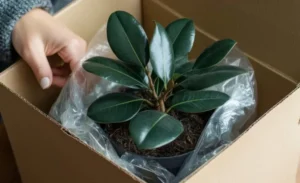
Two weeks before move
-
Audit your collection: note fragile, tall, rare, or pest‑sensitive plants; decide which are realistic to move and which to rehome.
-
Repot breakable ceramics into lightweight nursery plastic if needed; stabilize with fresh potting mix only if plants are healthy.
-
Prune lightly to remove dead or damaged growth; stake top‑heavy specimens for support.
-
Inspect for pests (mites, scale, mealybugs); treat early and re‑check in 5–7 days.
One week before move
-
Water on a schedule: aim for evenly moist, not soggy; avoid last‑minute heavy watering that leads to spills and root hypoxia.
-
Gather materials: open‑top boxes or totes, kraft paper, soft cloths, plant ties, bamboo stakes, painter’s tape, trash bags, breathable wrap, labels.
-
Make care cards per plant: name, light, watering, special notes; tape to the pot.
-
Plan transport: plants should ride in a climate‑controlled personal vehicle, upright and unstacked; trucks are not suitable for live plants.
48–72 hours before move
-
Top off moisture for thirsty species; withhold water for succulents/cacti to keep soil firm.
-
Cap soil to prevent spills: cut paper circles or use breathable cloth; secure with painter’s tape.
-
Contain foliage: loosely gather trailing vines; sleeve tall plants with breathable paper or fabric; avoid non‑perforated plastic.
-
Box by height: place pots snugly in open boxes; fill gaps with crumpled paper or towels; label “Live Plants – This Side Up.”
Packing techniques by plant type
-
Tall floor plants: stake stems, pad the trunk, sleeve loosely; secure pot within a box with padding around the container.
-
Trailing/hanging plants: coil vines gently on the soil surface; secure with soft ties; use taller boxes for vertical clearance.
-
Delicate foliage (calatheas, ferns): individual boxes with extra side padding; minimize drafts and direct sun.
-
Succulents/cacti: keep dry; protect crowns/spines with paper collars; use shallow boxes to limit tipping.
-
Orchids: support spikes with stakes; keep media just moist; avoid crushing blooms with tight wraps.
-
Terrariums: pack as fragile; maintain ventilation; keep level.
Move‑day protocol
-
Load plants last, unload first; keep them away from heaters/AC vents and direct sun through glass.
-
Maintain cabin comfort: moderate temperature, some airflow, no prolonged stops in hot or freezing vehicles.
-
Drive gently: avoid sudden braking and sharp turns to limit soil disturbance and stem breakage.
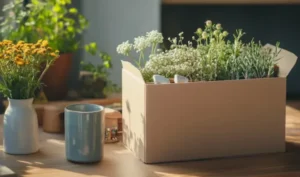
Arrival checklist (first 2 hours)
-
Unbox immediately in a shaded, temperate room; remove sleeves and ties carefully.
-
Wipe leaves gently to remove dust; check for breakage or soil upheaval; restake if needed.
-
Place plants in a temporary “recovery zone” with bright, indirect light and stable temperatures.
First week in the new home
-
Match prior conditions: approximate the old light exposure and watering cadence before gradually shifting positions.
-
Water conservatively: roots may be stressed; avoid overwatering; check moisture with a finger or meter.
-
Monitor for stress: expect minor leaf drop; watch for pests introduced during transit; treat promptly if seen.
-
Humidity help: group plants, use trays with pebbles, or run a humidifier for tropical species.
Week two: gradual transition
-
Move plants to permanent spots over several days; change one variable at a time (light, distance to window).
-
Resume feeding lightly for actively growing plants; hold fertilizer for 2–3 weeks if stress signs persist.
-
Repot only if essential (severe root disturbance or broken pots); otherwise wait 2–4 weeks
Special considerations
-
Cold‑weather moves: double‑wrap sensitive plants; pre‑warm the car; minimize door‑open time.
-
Hot‑weather moves: prevent heat buildup; shade windows; ensure airflow.
-
Long‑distance travel (overnight): bring plants indoors at stops; avoid sealed vehicles; check moisture each morning.
What not to do
-
Do not seal plants in airtight plastic.
-
Do not stack boxes on plant boxes.
-
Do not place plants in the cargo area of moving trucks.
-
Do not flood pots before departure “just in case.”
Supplies checklist
-
Open‑top boxes/totes in multiple sizes
-
Kraft paper, soft cloths, bubble for pots only
-
Plant ties, bamboo stakes, corner pads
-
Painter’s tape, labels, markers
-
Scissors, pruners, gloves
-
Towels or nonslip mats for car footwells
Quick reference: go‑bag for plants
-
Spray bottle (for foliage misting, if appropriate)
-
Moisture meter or clean finger test
-
Extra ties, stakes, paper collars
-
Trash bags for emergency spill control
-
Small first‑aid kit for you and pruning cleanup
How Crosstown Moving supports your plant move
-
Scheduling windows aligned with plant loading last/unloading first.
-
Advice on packing methods and safe, plant‑friendly staging on move day.
-
Careful handling of empty pots, stands, plant shelves, and grow lights; live plants travel with you.